Palace Stay Plans: A Strategic Framework for Heritage Hospitality
The modern fascination with heritage lodging has moved beyond the mere novelty of sleeping in a historic building. As the luxury market becomes increasingly standardized through global brand consistency, a counter-movement has emerged that prioritizes architectural sovereignty, historical narrative, and the management of ancient infrastructure.
The Rise of Preservation-Led Hospitality
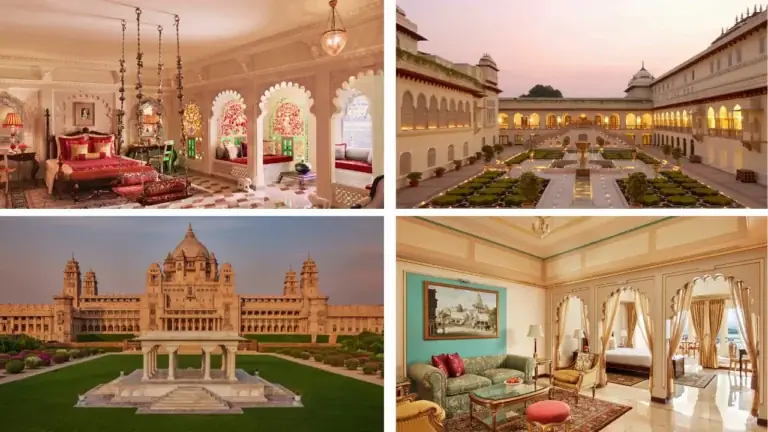
This shift is particularly evident in the sector of heritage residences, where the conversion of a royal or aristocratic seat into a commercial property requires a sophisticated understanding of preservation-led hospitality. For the traveler or the industry strategist, the fundamental challenge lies in navigating the various “palace stay plans” that define these experiences. Each plan represents a different compromise between the rigid demands of a historic monument and the fluid expectations of 21st-century comfort.
Defining the “Custodial Regime”
Selecting a heritage stay is essentially an act of participating in a property’s “custodial regime.” Unlike a modern purpose-built resort, a palace is a fixed asset with structural and acoustic properties that cannot be easily altered without degrading its historical value. Consequently, the “plan” or operational strategy chosen by the guest or dictated by the property owner determines the level of immersion. This ranges from high-protocol environments that mirror courtly life to more contemporary interpretations where the heritage serves merely as an aesthetic backdrop.
Understanding these nuances is critical for avoiding the “veneer fallacy,” where a property possesses the visual trappings of royalty but lacks the systemic integrity required to deliver a truly sovereign experience.
Deconstructing Operational Frameworks
This exploration aims to deconstruct the mechanics of palace-based hospitality. By analyzing the evolution of these sites from private bastions of power to public-facing assets, we can identify the specific operational frameworks that separate successful heritage stays from mere period-themed hotels. We will examine the categories of stays, the economic realities of maintaining ancient stone, and the risk landscapes that define this high-stakes sector of the travel industry.
Understanding “palace stay plans”
In the context of high-authority travel, the phrase “palace stay plans” refers to the structured operational model through which a guest interacts with a heritage property. It is a common misunderstanding to view these plans as simple meal packages or room categories. In reality, a palace stay plan is a comprehensive governance structure for the guest’s experience. It encompasses the level of access granted to restricted historical zones, the density of specialized service staff (such as personal butlers or heritage guides), and the degree of adherence to traditional protocols.
Modern Diplomacy and Managing Expectations
Oversimplification in this sector often leads to mismatched expectations. A traveler might book a “Royal Plan” assuming it guarantees modern luxury, only to find that the property’s preservation mandate prevents the installation of high-capacity elevators or modern soundproofing in specific wings. Conversely, an “Experience Plan” might prioritize historical workshops and archival access over standard amenities. The risk lies in the trade-off: true historical immersion often requires a sacrifice in modern convenience, and the “plan” is the contract that defines that balance.
From a strategic perspective, these plans are the property’s way of managing its “carrying capacity.” Because palaces are fragile environments, the management must often tier access to protect the physical fabric of the building. Therefore, a higher-tier plan is frequently not just about “more service,” but about the privilege of being in a space that is physically limited by its own history. Understanding this allows the guest to evaluate a property based on its stewardship rather than just its star rating.
The Structural Evolution of Heritage Hospitality
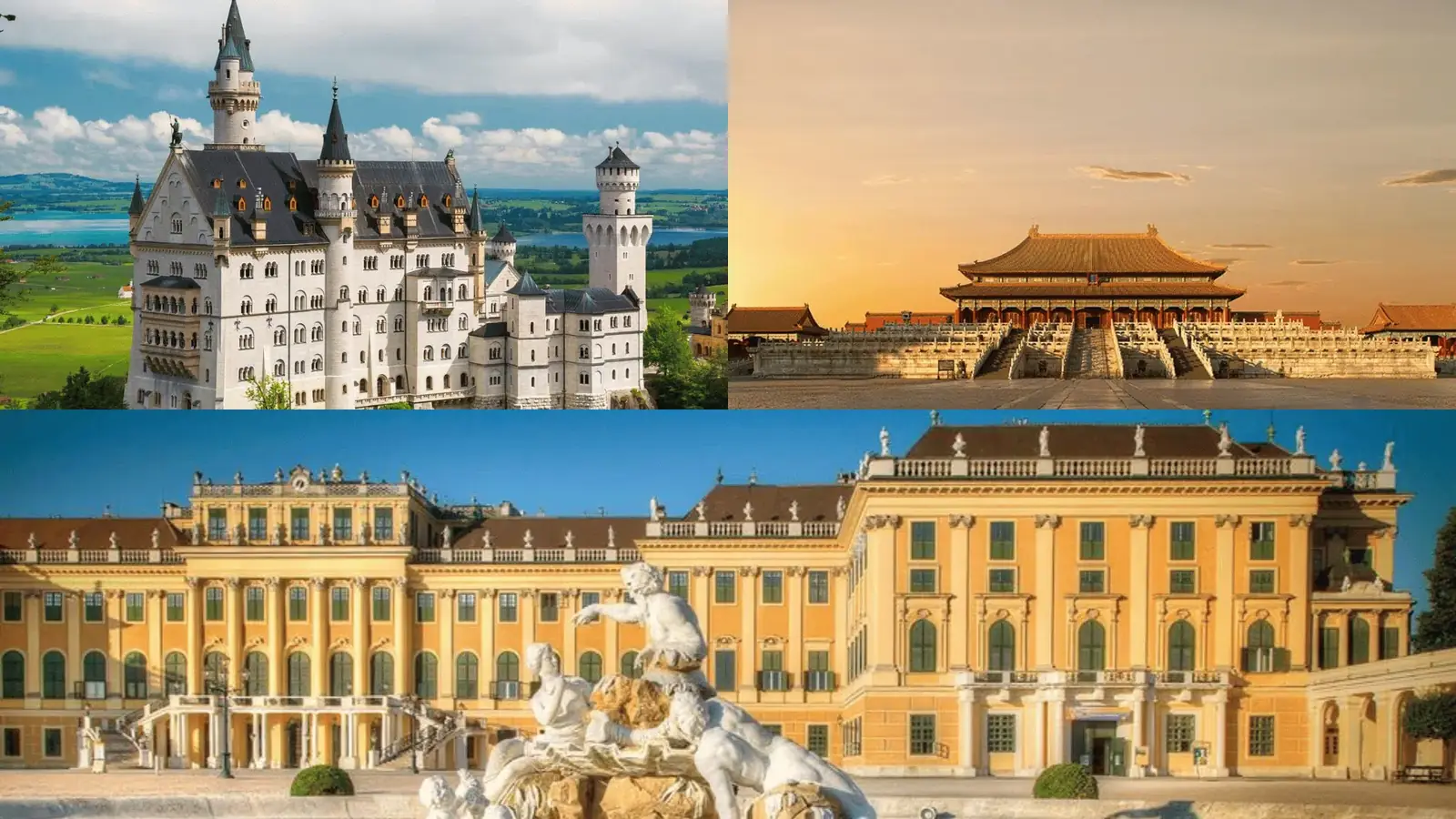
The transition of palaces from private residences to commercial lodging was a response to the geopolitical and economic shifts of the late 19th and early 20th centuries. In Europe, the “Grand Hotel” era saw the rise of purpose-built palaces designed to mimic the lifestyles of the aristocracy for the newly wealthy industrial class. However, the true “palace stay” involves the adaptive reuse of buildings that were once genuine seats of power.
This evolution followed three distinct systemic paths:
-
The Sovereign State Model: Exemplified by the Spanish Paradores or Portuguese Pousadas, where the state took control of crumbling monuments to preserve them through tourism. Here, the “plan” is often educational and nationalistic.
-
The Princely Survival Model: Seen predominantly in Rajasthan, India, where royal families converted their residences into hotels to maintain the massive infrastructure costs post-independence. This model relies heavily on personal lineage and “devotional service.”
-
The Institutional Luxury Model: Where global luxury groups (such as Taj, Oberoi, or Aman) take over the management of a heritage asset, imposing a modern corporate standard over the historical site.
Each of the historical paths dictates the modern palace stay plans available today. A state-run property focuses on accessibility and structural preservation, while a princely-run property focuses on the “theater of royalty.”
Conceptual Frameworks and Mental Models
To analyze a palace stay effectively, one should employ specific mental models that account for the unique constraints of historical architecture.
1. The Inconvenience-Authenticity Scale
This framework posits that there is a direct correlation between the authenticity of a heritage site and its operational “friction.” A room that has not been structurally altered since the 1700s will likely have erratic floor levels, thick walls that block modern Wi-Fi, and windows that are not double-glazed. A successful palace stay plan accepts these “flaws” as the cost of immersion.
2. The Sovereign Service Matrix
This model distinguishes between “Invisible” and “High-Visibility” service. In many European heritage hotels, service is modeled on the 19th-century ideal of the invisible servant—the guest experience is seamless and quiet. In South Asian palace stays, service is often high-visibility and performative, mirroring the traditional courtly attendances of the past.
3. The Structural Integrity Threshold
This is a governance framework used to judge renovations. It asks: Are the modern interventions (bathrooms, lighting, HVAC) reversible? If a property has drilled through 400-year-old marble to install a modern shower, it has failed the threshold. High-authority properties use “pod-based” or “non-invasive” installations that can be removed without damaging the core masonry.
Taxonomy of Palace Stays: Categories and Trade-offs
A critical step in evaluating palace stay plans is identifying the sub-category of the property, as each carries distinct operational constraints.
Decision Logic: Protocol vs. Comfort
The primary friction point in these categories is the “Protocol Pivot.” Some palace stays require guests to adhere to specific dress codes in public rooms or follow traditional dining schedules. When choosing between different palace stay plans, the traveler must decide if they want to observe the history or participate in its traditional rules.
Detailed Real-World Scenarios
Scenario 1: The Multi-Generational Heritage Lease
A family seeks to book a wing of a 15th-century castle for a month. The primary constraint is “Resource Density”—the kitchen and staff capacity of an ancient building were designed for 15th-century logic, not a modern group with varied dietary and technical needs. The “failure mode” here is the failure to account for the electrical load of 20 modern devices on an old grid.
The High-Stakes Corporate Archive Retreat
An organization uses a palace’s private library for a strategic planning session. The second-order effect is “Atmospheric Cognition”—the psychological impact of the environment on decision-making. However, the constraint is “Acoustic Leakage,” as stone halls often carry sound further than modern office walls.
The Preservation-Focused Solo Stay
A guest chooses a “Pure Heritage Plan” that excludes modern climate control to experience the building’s natural thermal mass. The risk is “Seasonal Fatigue,” where the guest underestimates the physical toll of 10-foot-thick walls in mid-winter or mid-summer.
Planning, Cost, and Resource Dynamics
The economics of a palace stay are fundamentally different from standard hotels. The “daily rate” must cover not only the service but the “deferred maintenance” of the historical asset.
Range-Based Resource Allocation
Opportunity Costs and Variability
The highest indirect cost of a palace stay is often “Time Friction.” Because these properties are rarely in central business districts or near major airports, the “cost” includes the logistics of reach. Furthermore, the variability of the experience is high; two identical rooms in a palace can have wildly different qualities due to their position in the original floor plan.
Tools, Strategies, and Support Systems
To manage a successful stay, both the guest and the operator rely on specific systems.
-
UNESCO Heritage Audits: A tool for verifying the authenticity of a property’s restoration claims.
-
Acoustic Mapping Software: Used by high-end managers to identify “quiet zones” within echoing stone galleries.
-
Heritage Concierge Networks: Niche agencies that specialize in properties with royal or aristocratic lineage.
-
Conservation Management Plans (CMPs): The definitive document used by operators to balance guest needs with preservation.
-
Thermal Mass Modeling: Used to predict the indoor temperature without relying on invasive air conditioning.
-
Archive Access Protocols: The legal and practical framework for allowing guests to interact with a family’s private history.
Risk Landscape and Failure Modes
The primary risk in the palace sector is “Structural Fragility.” Ancient buildings do not “fail” gracefully.
-
Compounding Infrastructure Risk: A plumbing failure in a 17th-century ceiling doesn’t just wet a carpet; it can destroy priceless frescoes. This creates a high-pressure environment for staff.
-
The Authenticity Paradox: If a property modernizes too much to satisfy “stay plans,” it loses the very history that makes it valuable, leading to a loss of market authority.
-
Resource Depletion: In remote palace locations, the lack of local specialized craftsmen (masons, gilders) can lead to a slow degradation of the guest environment.
Governance, Maintenance, and Long-Term Adaptation
A palace is a living entity that requires a “Stewardship Review Cycle.” A modern hotel might renovate every 7 years; a palace manages its fabric over decades.
The Stewardship Checklist
-
Quarterly Moisture Monitoring: Stone and wood are sensitive to micro-climate shifts.
-
Bi-Annual Staff Protocol Refresh: Ensuring that the “Sovereign Service” hasn’t devolved into standard hospitality.
-
Reversible Infrastructure Audit: Checking that all 21st-century additions remain non-invasive.
-
Archival Integrity Check: Ensuring that guests haven’t damaged artifacts during “Experience Plans.”
Measurement, Tracking, and Evaluation
Evaluation in this sector must look beyond the “Net Promoter Score.”
-
Leading Indicator: The ratio of restoration spending to operational revenue. A healthy palace reinvests heavily in its own masonry.
-
Lagging Indicator: The retention of historical narrative—do guests leave understanding the house’s history, or just its amenities?
-
Qualitative Signal: The “Patina Quality”—how the building is aging under the pressure of commercial use.
Documentation Examples
-
The Custodian’s Log: A daily record of how the building “reacted” to the day’s guests.
-
The Restoration Ledger: A transparent record for high-tier guests showing how their fees supported specific masonry work.
-
Legacy Sentiment Analysis: Qualitative feedback from long-term guests on how the “spirit of the house” has evolved.
Common Misconceptions and Oversimplifications
-
Myth: Palaces are always more luxurious than modern hotels.
-
Correction: Palaces are more authoritative, but a modern Four Seasons will almost always have better water pressure and faster Wi-Fi.
-
-
Myth: “Royal” in the name means royal ownership.
-
Correction: Many “palaces” are branding exercises; a true palace must have a documented sovereign history.
-
-
Myth: You should always choose the most modern room.
-
Correction: Modernized rooms often lose the building’s natural ventilation and acoustics.
-
-
Myth: Heritage stays are always quiet.
-
Correction: Stone buildings can be incredibly noisy due to echoing corridors and historical window designs.
-
-
Myth: Plans are just about meals.
-
Correction: As established, palace stay plans are governance models for historical access.
-
-
Myth: All old buildings are palaces.
-
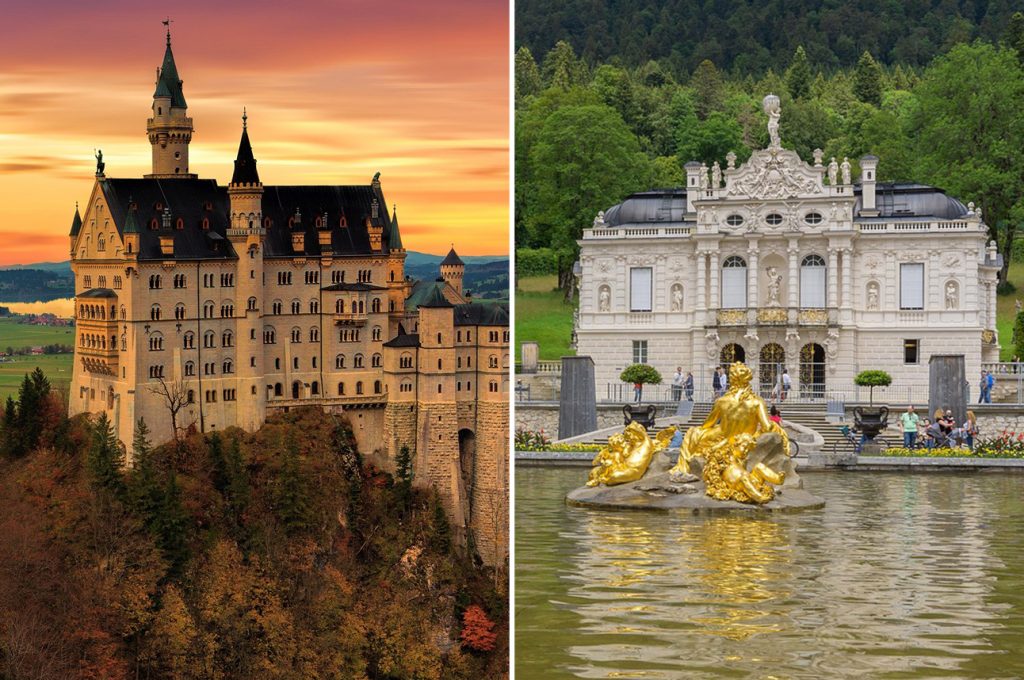
Correction: A palace is a seat of power; a manor house or castle is a residence or fortification. The distinction matters for protocol.
-
Conclusion: The Future of Historical Custodianship
The future of the palace stay is not in the imitation of modern luxury, but in the perfection of historical custodianship. As global culture becomes more homogenized, the value of a property that stands as a unique, non-replicable asset will only increase. The challenge for both operators and travelers is to maintain the integrity of these sites while allowing them to function in a modern economy.
Ultimately, a successful palace stay is a successful compromise. It requires a guest who is willing to be a temporary part of a building’s long life and an operator who views the guest not as a customer, but as a benefactor of history. By using sophisticated palace stay plans to manage this relationship, we ensure that these monuments remain not just museums, but living, breathing environments that continue to command authority for centuries to come.